Line is the cheapest part of the setup and the one that loses fish
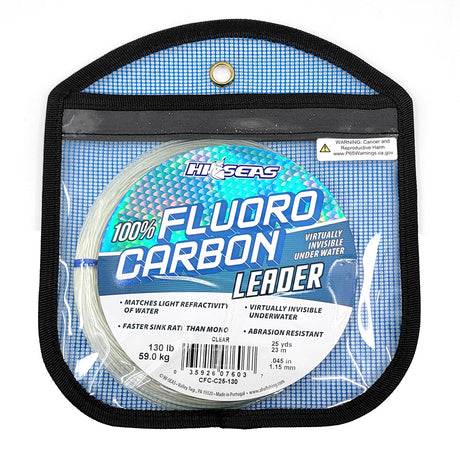
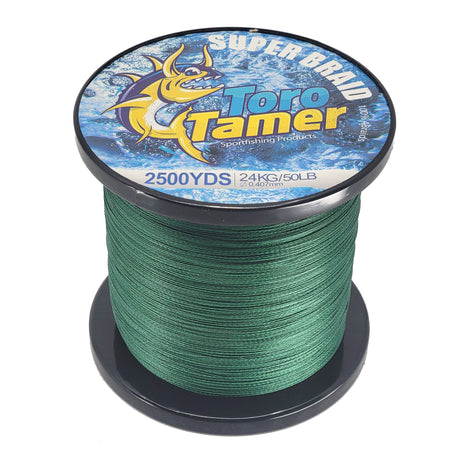
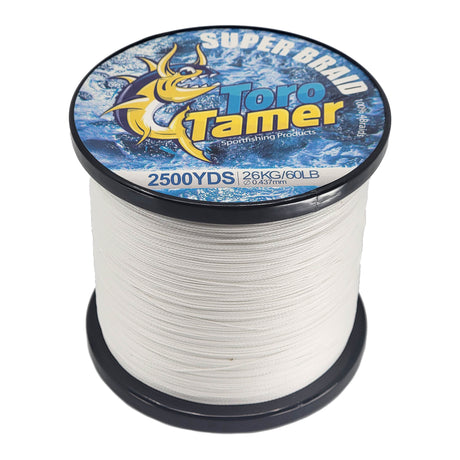
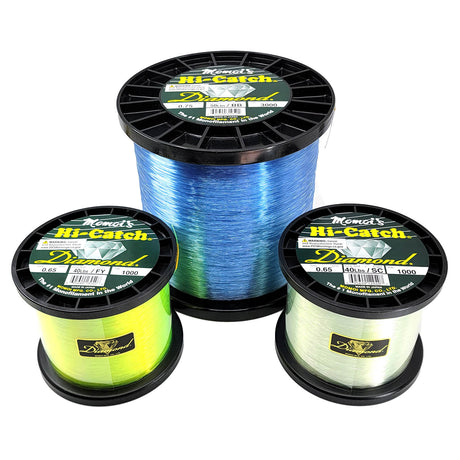
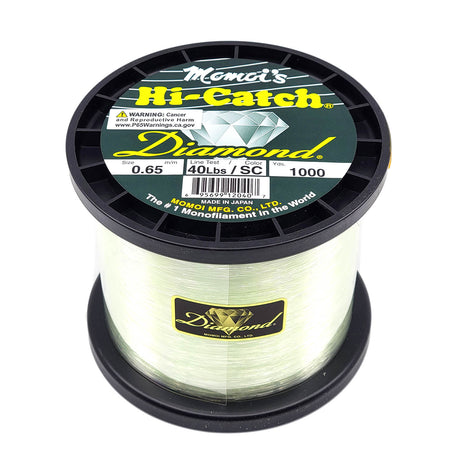
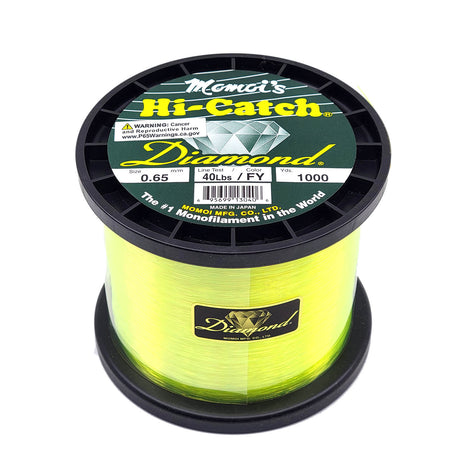
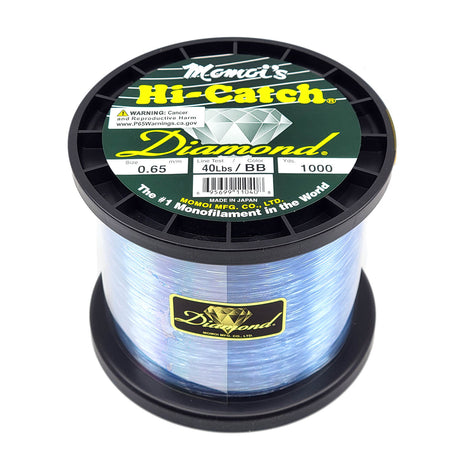
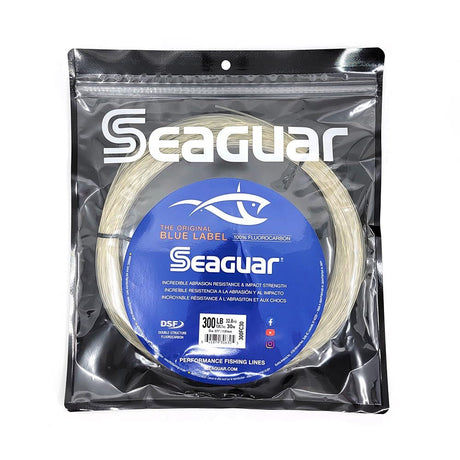
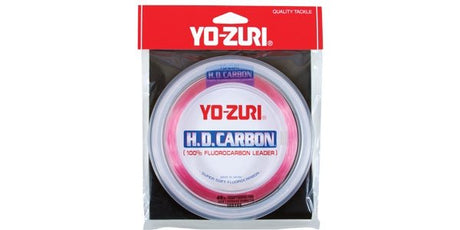
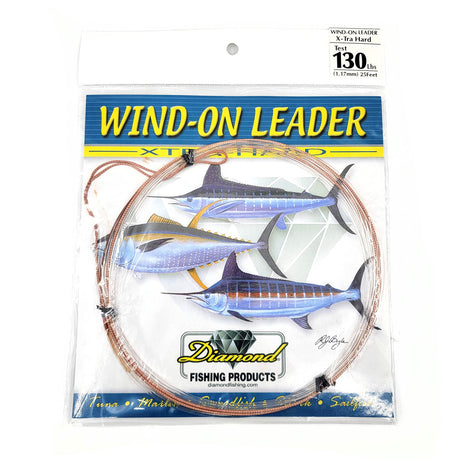
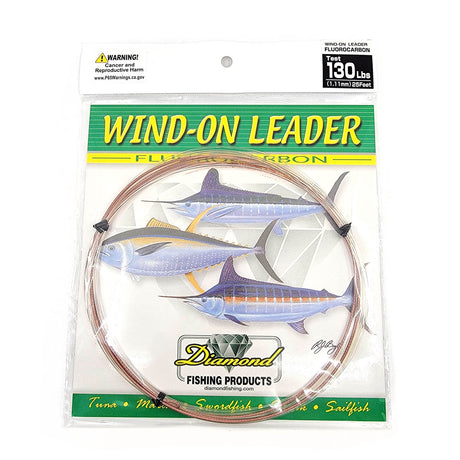
We stock what the boats actually run out of Southern California: solid and hollow-core braid, big-game mono, fluorocarbon leader, single-strand and cable wire, and the splicing and serving gear to put it all together. Between the long-range fleet, the local half-days and the private boats, we end up spooling a lot of line, and what we carry is what came back working.
Hollow-core and splicing
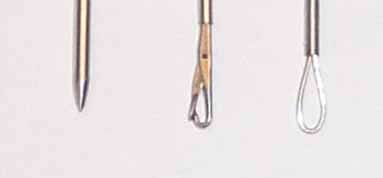
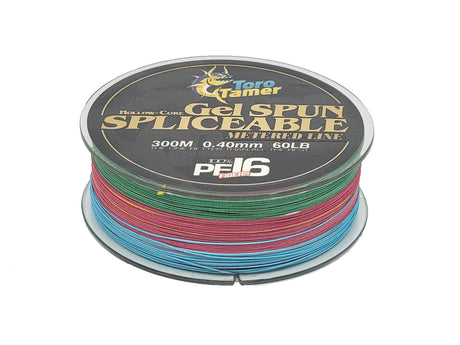
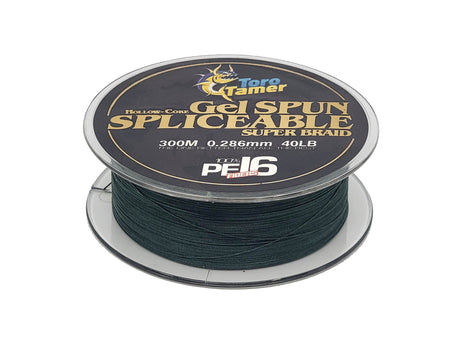
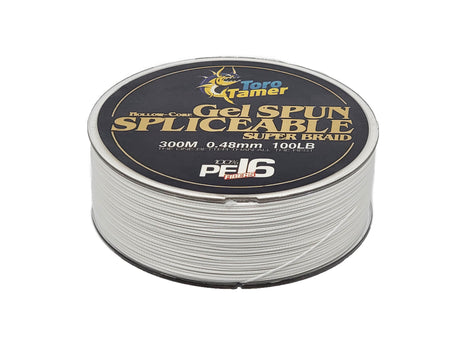
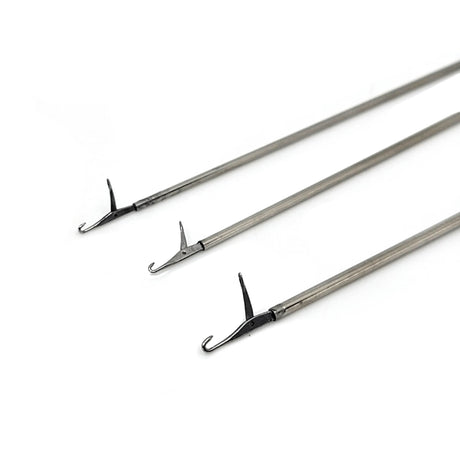
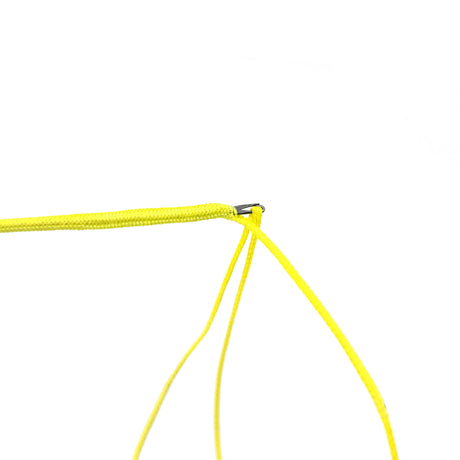
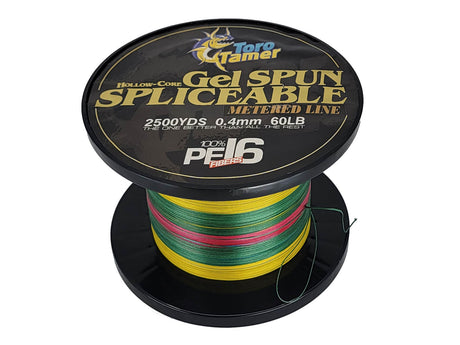
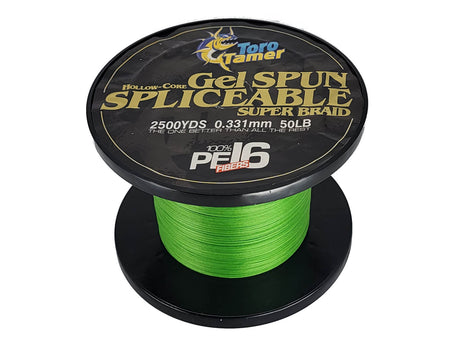
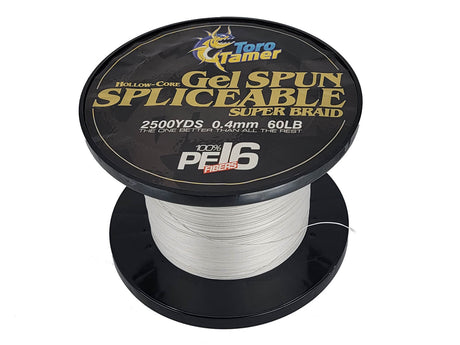
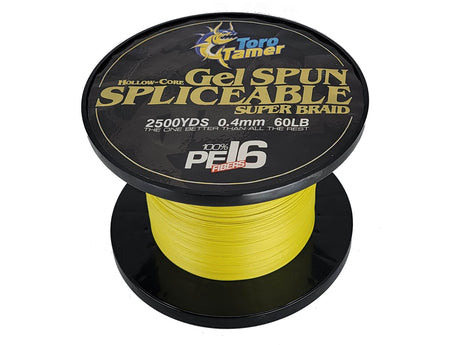
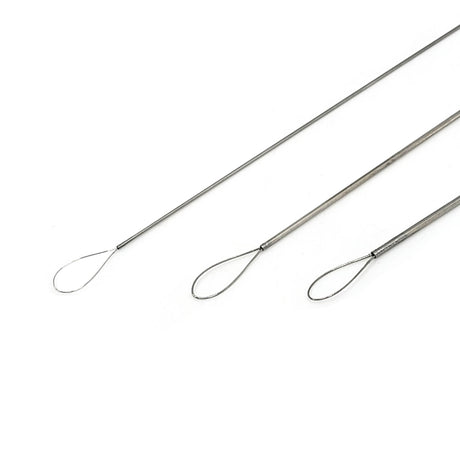
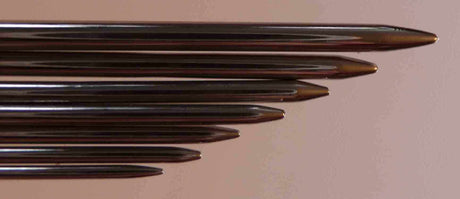
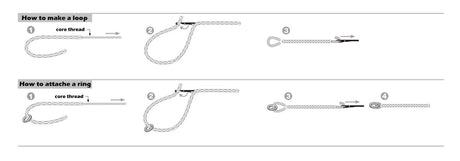
Hollow-core braid is where we go deepest, and it is the part most shops treat as an afterthought. A hollow-core inline splice gives you a connection with no knot in it, nothing to catch a guide, nothing to shear under drag, and it is how a topshot ought to be joined if you are fishing serious drag. We carry the braid, the splicing needles, the serving thread and the rest of it, because a splice you cannot finish properly is worse than the knot you were avoiding.
If you have not spliced before, it is a learnable skill and not a difficult one. Call the shop and we will walk you through what you need for the setup you are rigging.
What a "PE" number does and does not tell you
Japanese braid is sold by PE number, and there is a lot of bad information about what that means. PE is denier, a weight, not a diameter and not a breaking strength. If you wanted to measure the PE rating of your braid you would weigh out 9,000 meters of it; 9,000 meters of PE 2.0 runs about 400 grams.
That matters because the same PE number is not the same line between brands. The JAFS standard is followed by about 25 companies and membership is voluntary, and those companies use different fibers, weaves, coatings and colors, all of which change both the diameter and the weight. There is also no standard governing how breaking strength gets measured, so one brand may print a maximum, another an average, another a conservative figure.
You can see it on the packages. At PE4, Sunline rates 60 lb and Varivas rates 70 lb: the same number, about 17% apart. And Sunline and Varivas print MAX while Daiwa prints AVE, so even where two numbers agree they are not measuring the same thing.
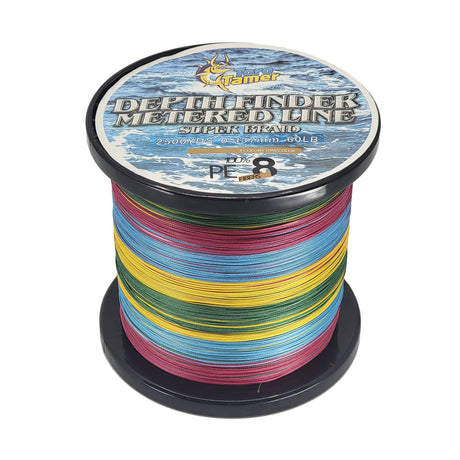
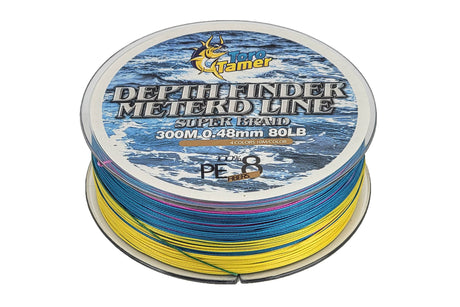
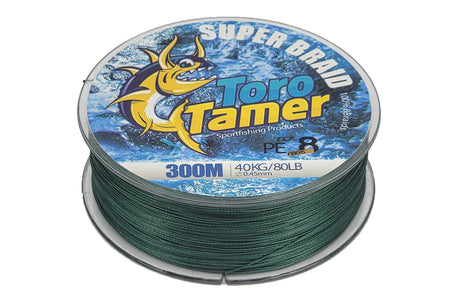
The one rule that is safe: add a zero to the PE number to get a ballpark US line class. PE8 is roughly an 80 lb class line. Use it for class, never for breaking strength, and treat every online PE-to-diameter conversion chart with suspicion. They are mostly the mono and fluoro table applied to braid, which is not what it is for.
We tend to prefer the conservatively rated lines here, and that is a California thing rather than a quality judgment. Japanese anglers change braid every six to twelve months, or every couple of trips when they are chasing bigger fish. We keep ours longer, we are not running line conditioning sprays, and we are generally not casting spinning gear, so a backlash is a real possibility and a little margin in the rating is worth having.
Braid, topshot and leader
Most people fish braid heavier than the class they are targeting, and that is deliberate rather than overgunning. The braid is the expensive part and it stays on the reel; the leader is cheap and gets retied all day. Running a heavier braid under a lighter leader means that when something goes wrong, you lose the leader and not two hundred yards of braid.
Worth remembering that drag is what actually caps your line: strike drag is normally set around a quarter to a third of the line's breaking test, so the drag your reel can produce is the real ceiling on the line that is useful to you. Line heavier than that costs you capacity and buys no extra pull.
Not sure what to spool
Line is one of those things where the right answer depends on the reel, the rod and the trip, and it is quicker to talk it through than to read a chart. Call the shop or come by and we will sort out what you should be running. Orders over $150 ship free, all of it, with no oversize exclusions.


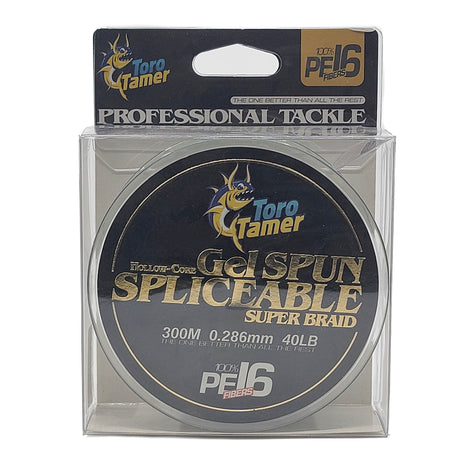

 Regular priceFrom $10.99 USDUnit price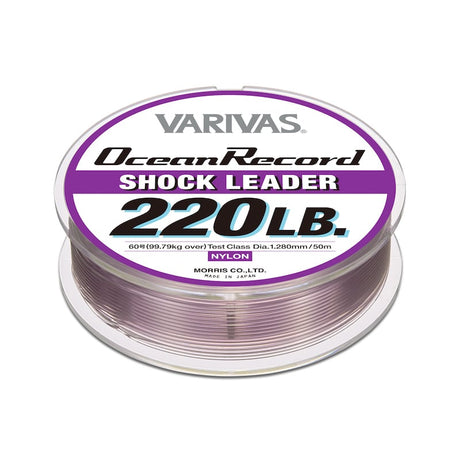






 Up to 10% off