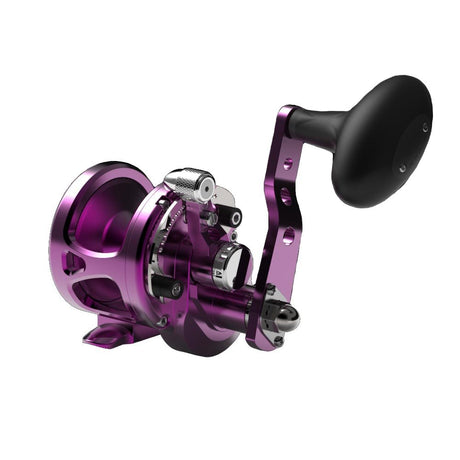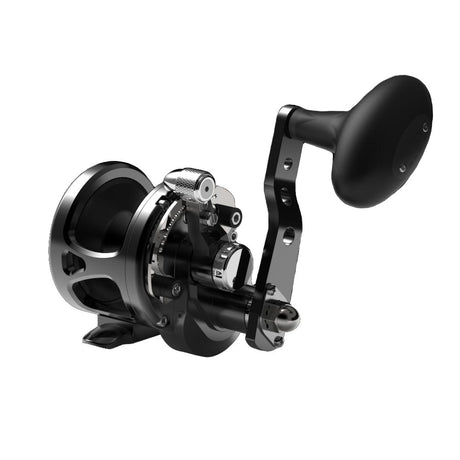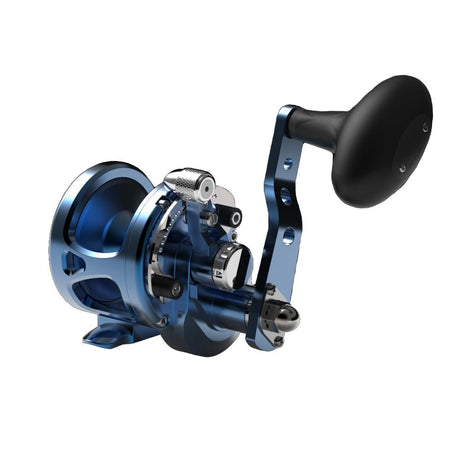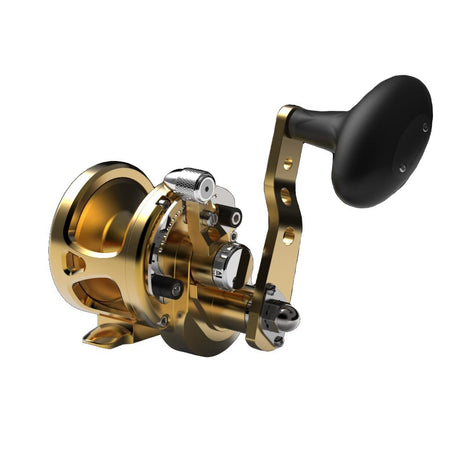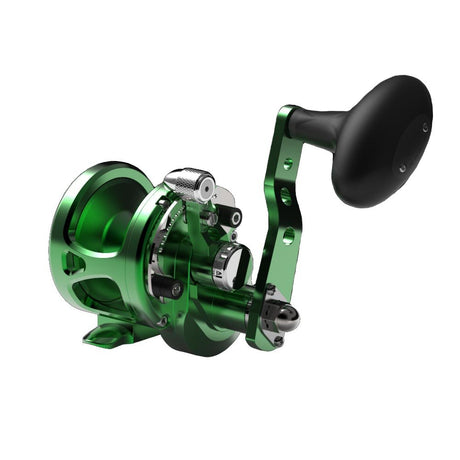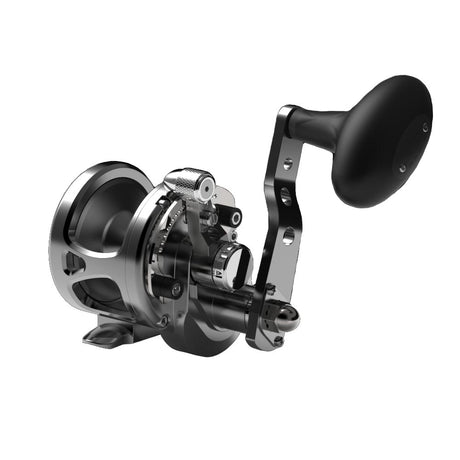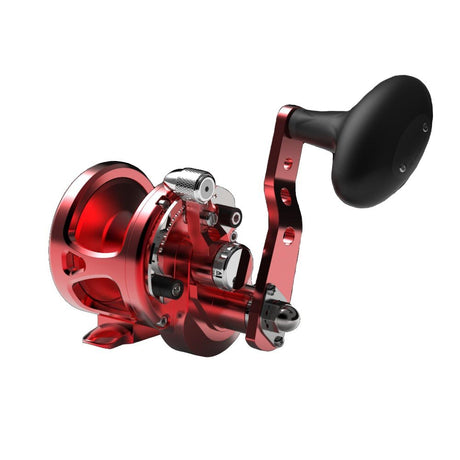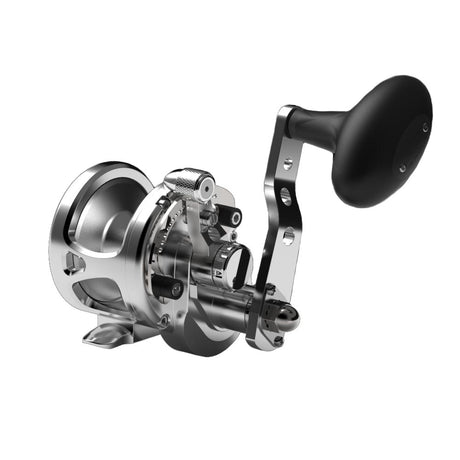
Free US Shipping Over $150 Some Exclusions Apply

New products added! Learn more

Avet Reels

(87 products)

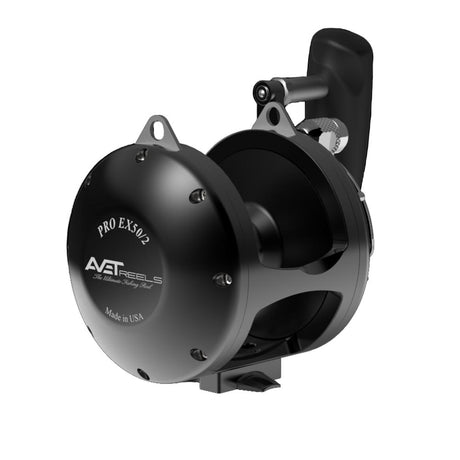
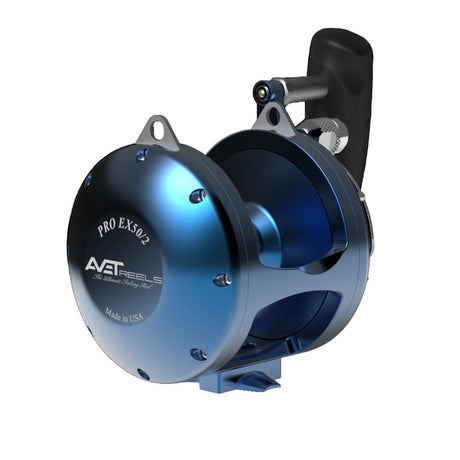
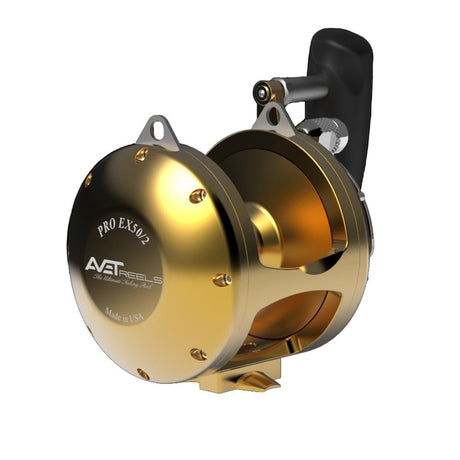
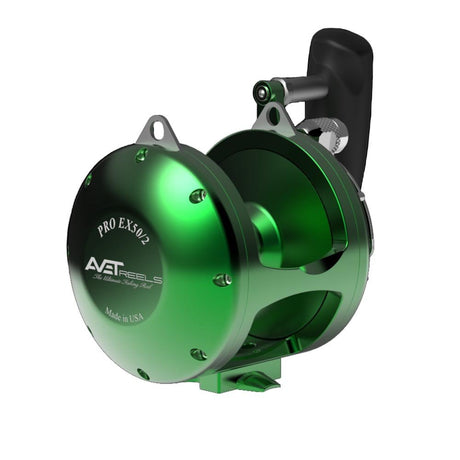
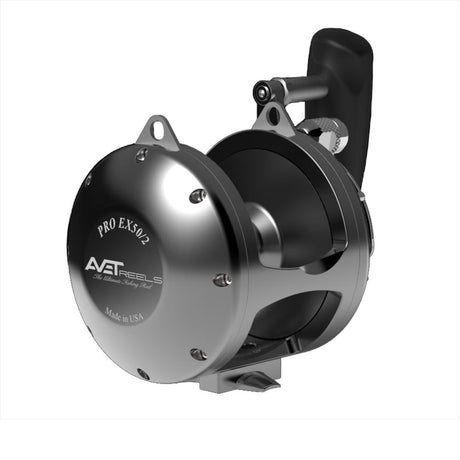
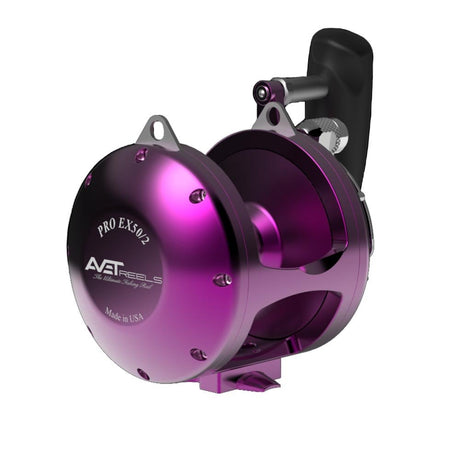
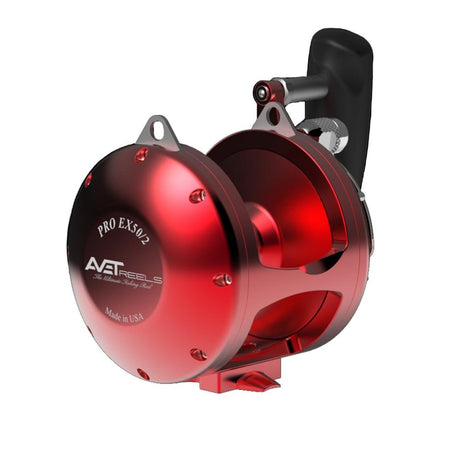
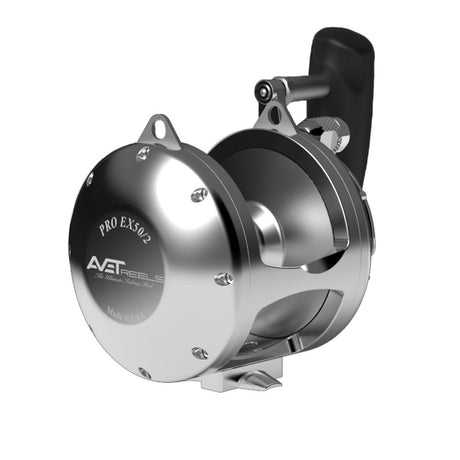
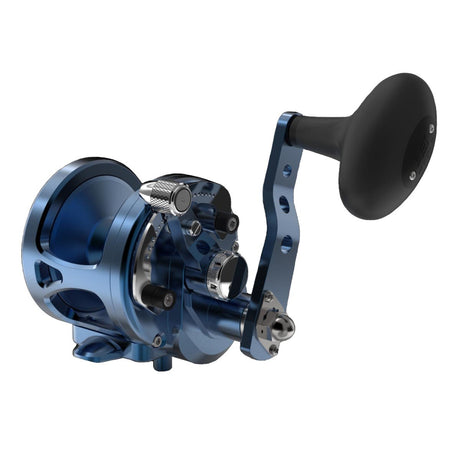
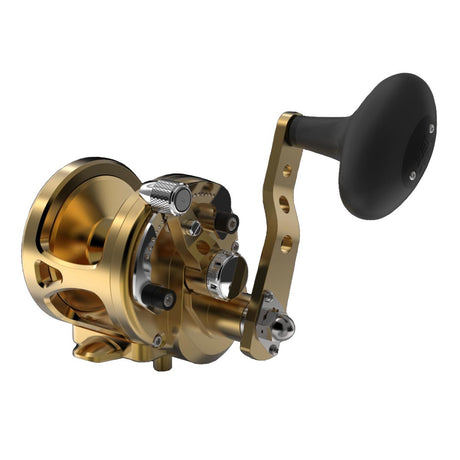
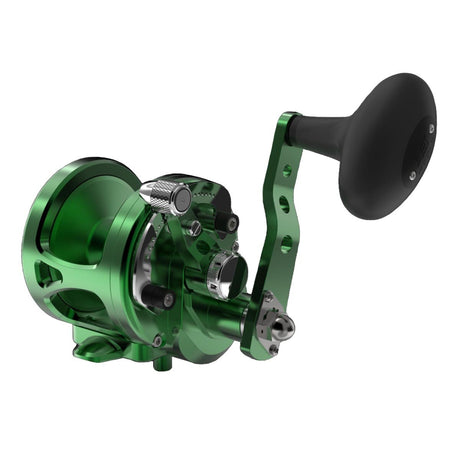
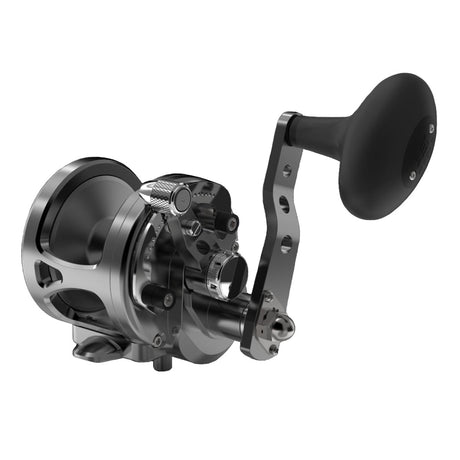
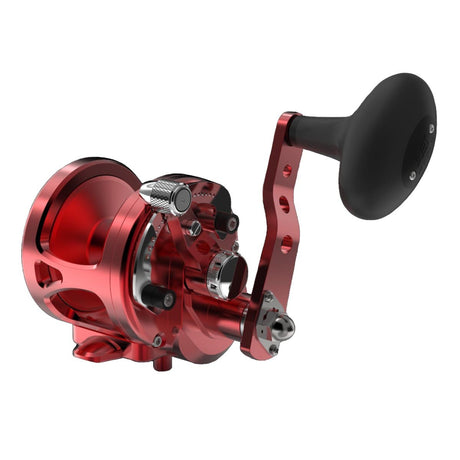
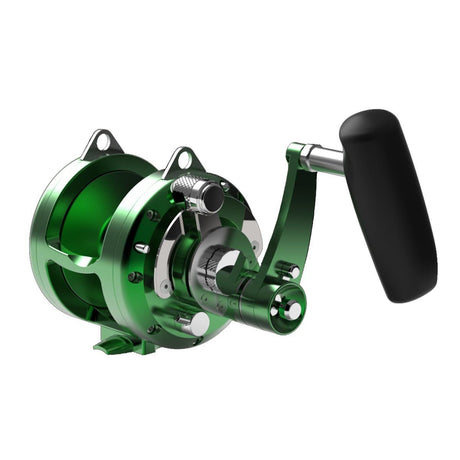
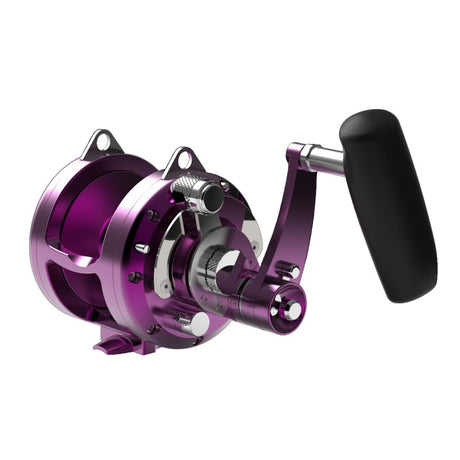
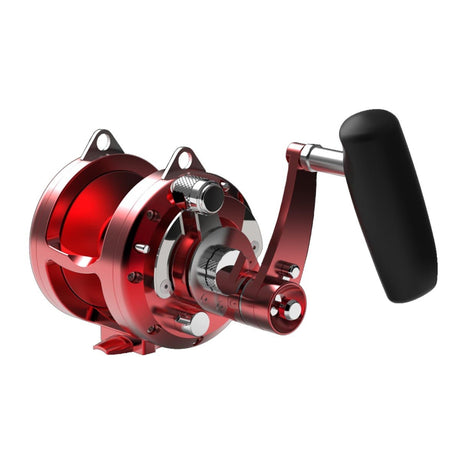
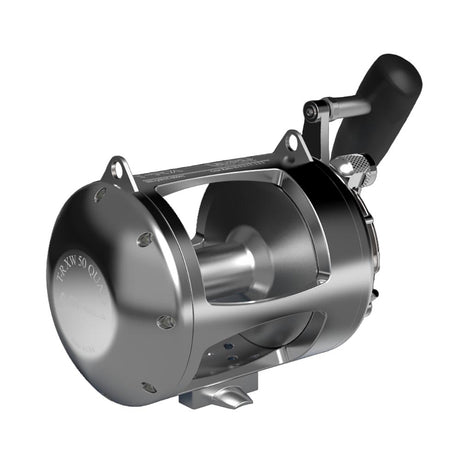
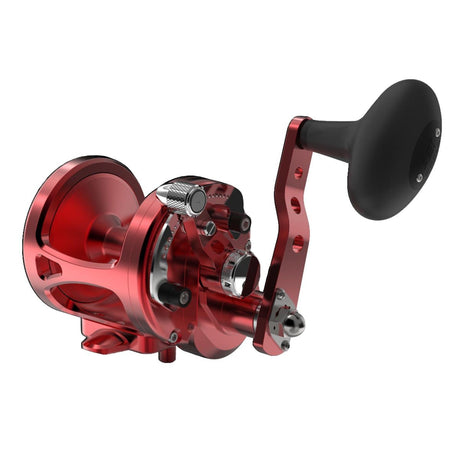
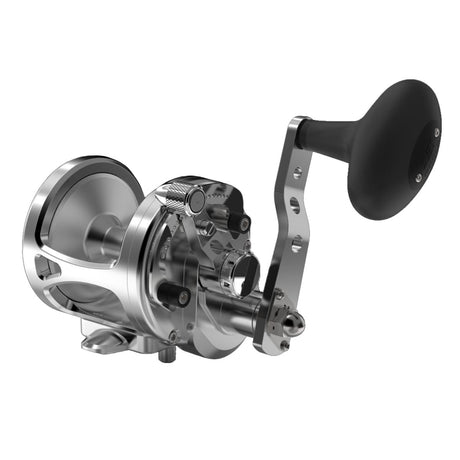
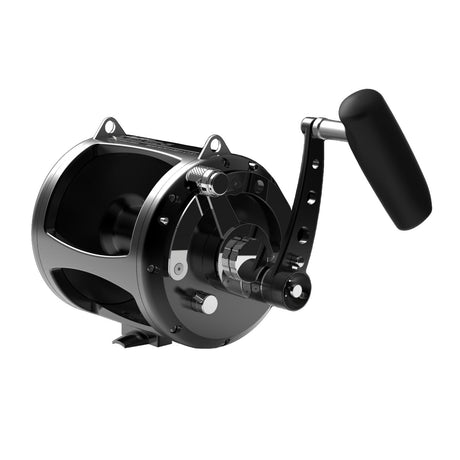
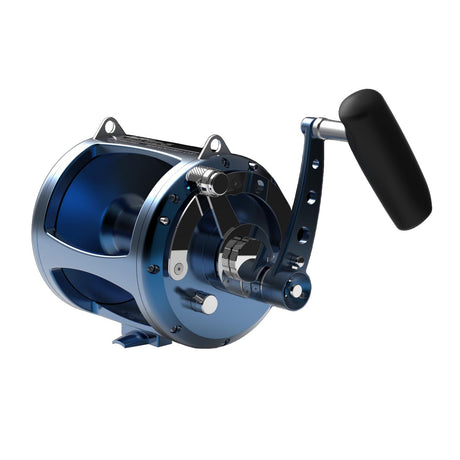
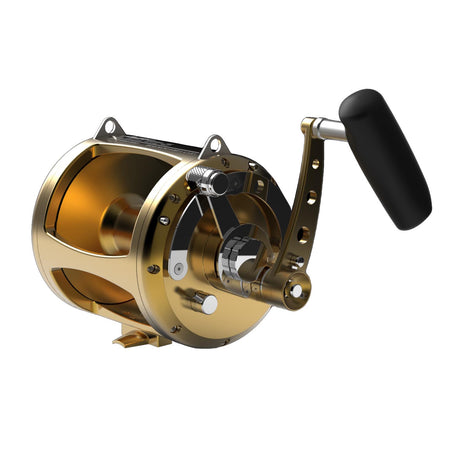
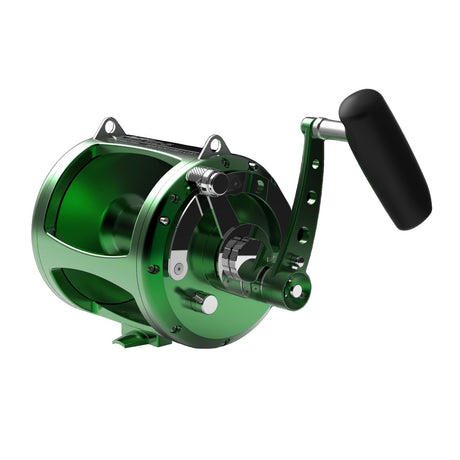
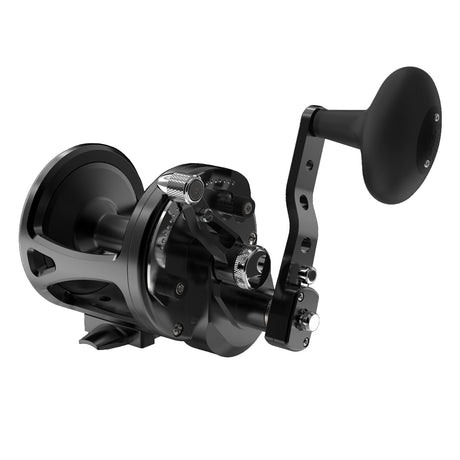
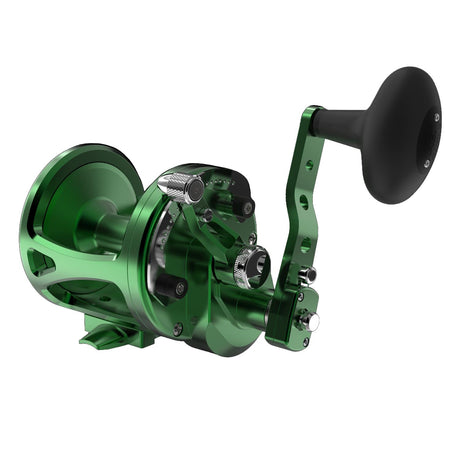
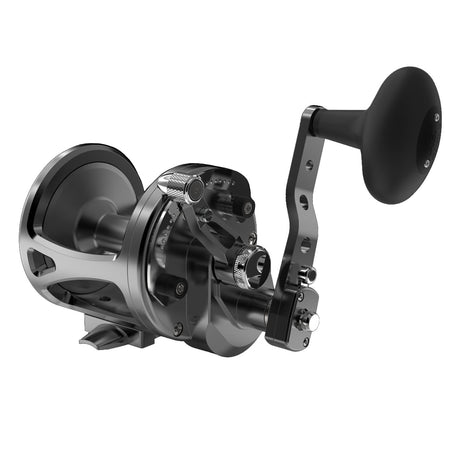
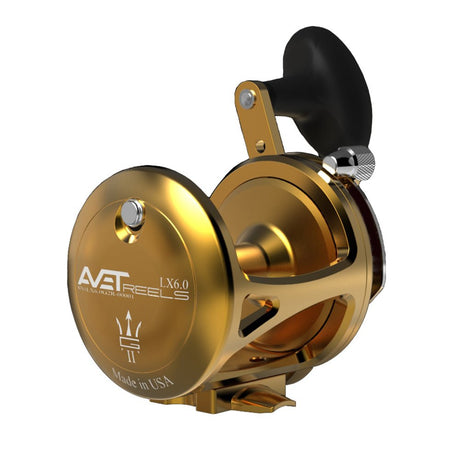
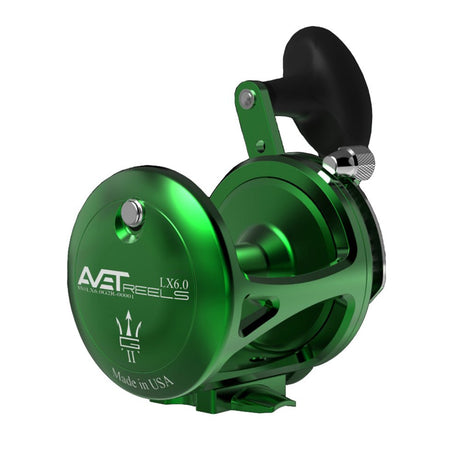
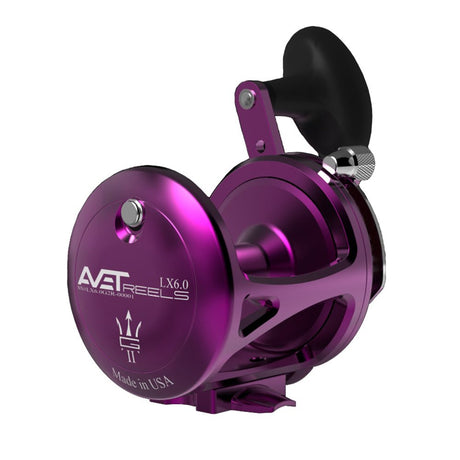
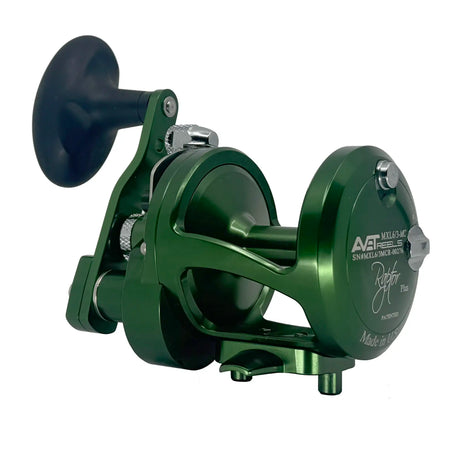
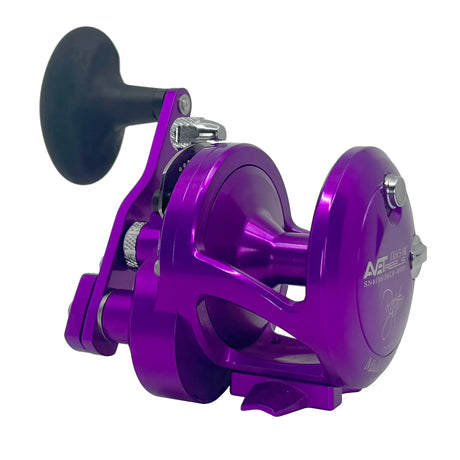
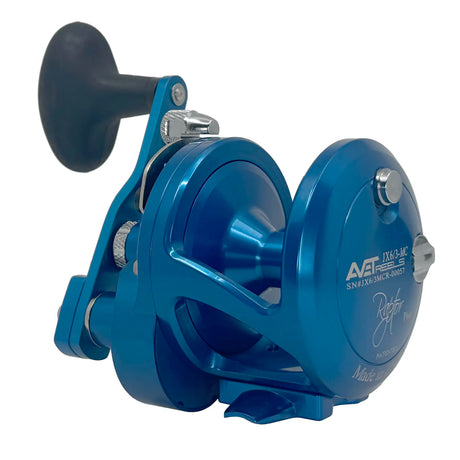
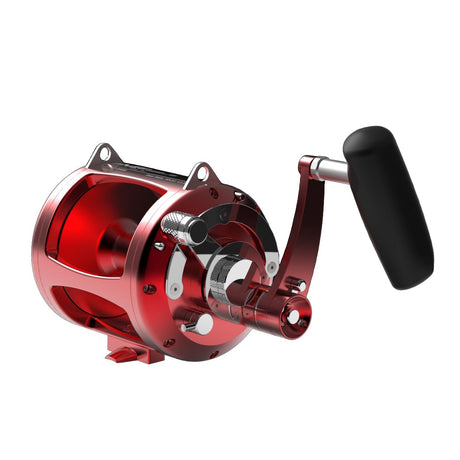
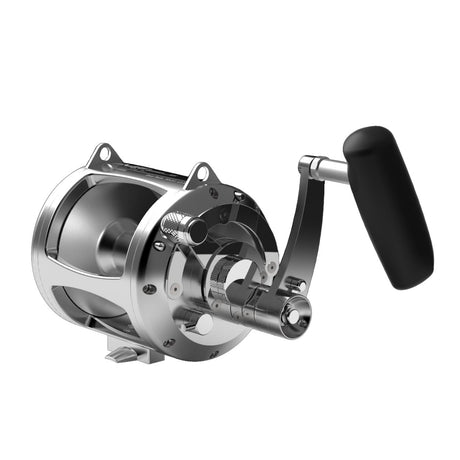
Avet reels are machined in Southern California by a family company that cut its teeth making precision components for the medical and fiber-optic industries — and it shows in every reel. Drags you can trust at high settings, freespool that stays clean through the whole range, and casting performance that made them a West Coast standard. We were one of Avet's first dealers and have been their largest retailer since 2004, so we stock the line deep — Classic and G2 casting sizes, Raptors, the HX family, and the Pro EX big-game two- and three-speeds — with more left-hand retrieve models than any dealer, spooled and rigged to your specs before it ships.

New to Avet, or not sure which size to pick? Our Avet reel guide walks you through it.

View as

The Avet story

Avet is a family machining operation out of Southern California that spent years producing precision components for the medical and fiber-optic industries before turning those machines loose on fishing reels. The owners — two brothers who are serious fishermen themselves — were known to keep their boat parked inside the plant between runs to the Channel Islands, which tells you most of what you need to know about why these reels fish the way they do. Each series they've released has filled a real gap, and the formula hasn't changed: high-quality machining, drags that hold their settings and last, and freespool that stays clean across the whole operating range.
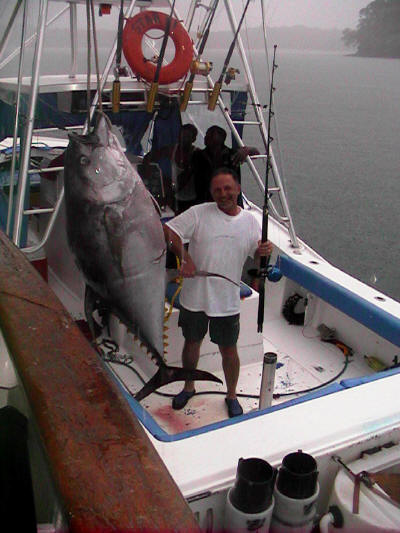
CharkBait was one of Avet's very first retailers, and we've been their largest dealer since 2004. We buy factory-direct in quantity, which is why we can stock more models, gear ratios, colors, and options than anyone. The photo here is Avet co-owner Harry with a 335-pound yellowfin taken in Panama in 2003 — on an EX, naturally. These reels have been proving themselves on big tuna and marlin ever since.

Which Avet is which

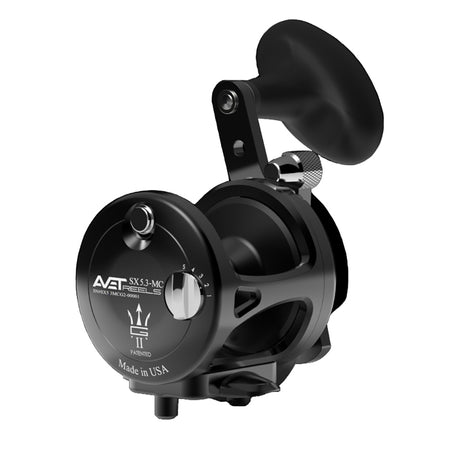
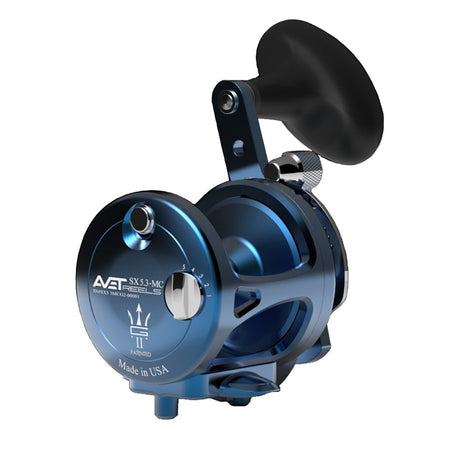
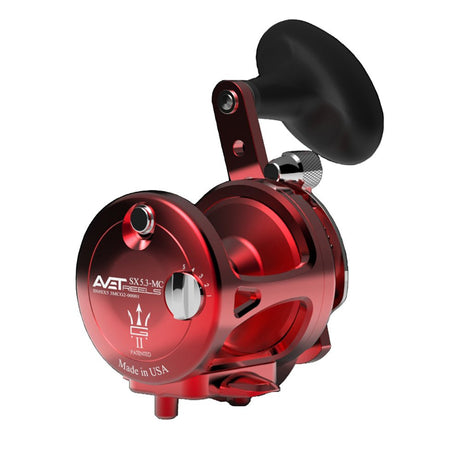
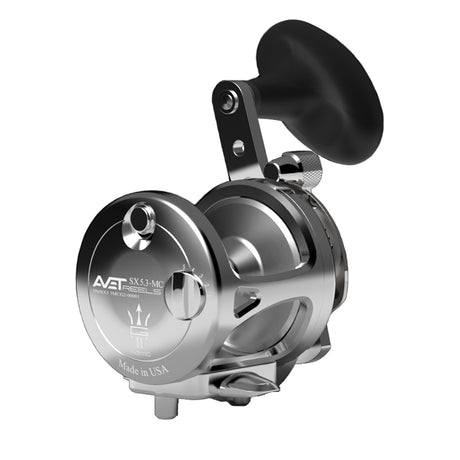
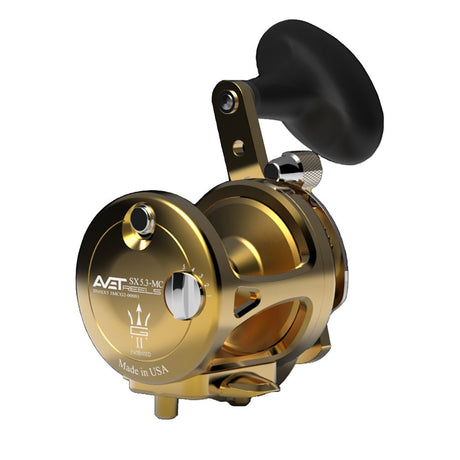
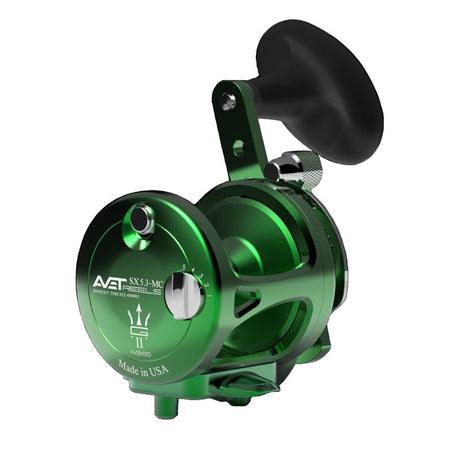
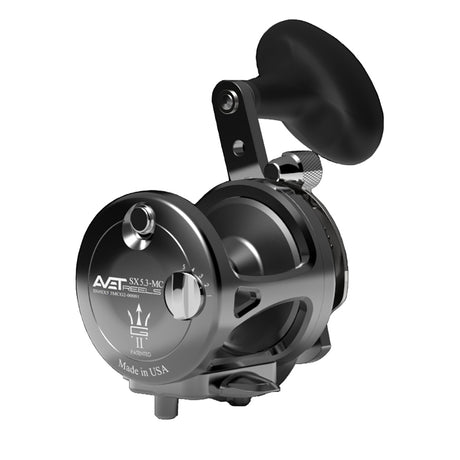
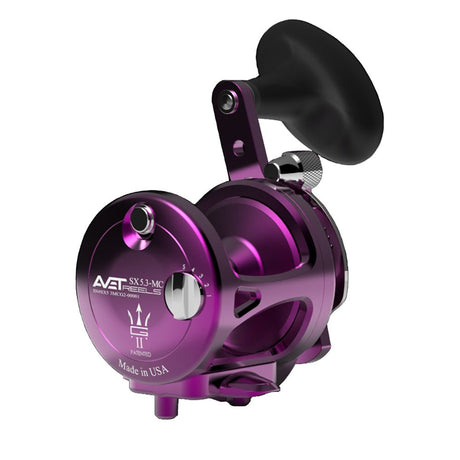
Classic models are Avet's original casting reels, still in the line for good reason. G2 reels are the second generation of those casting sizes — SXJ, SX, MXJ, MXL, JX, and LX — in single-speed and two-speed versions. Models marked MC add Avet's magnetic cast control, worth having if you throw bait or iron.

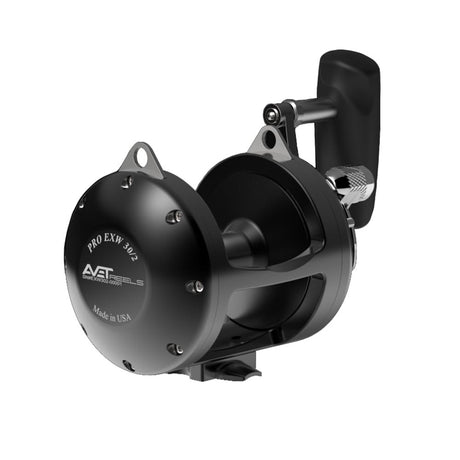
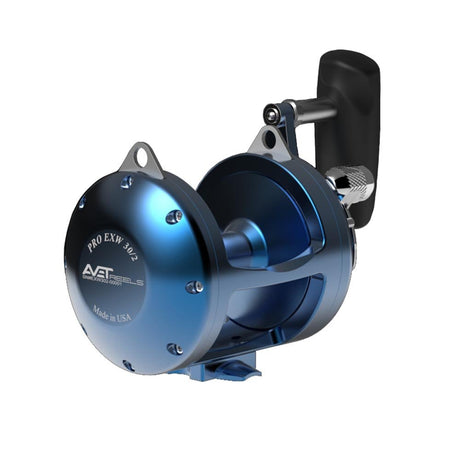
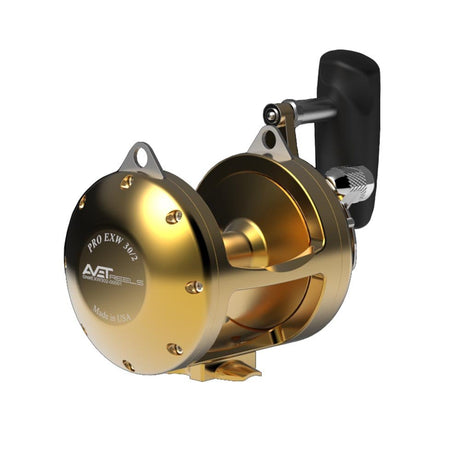
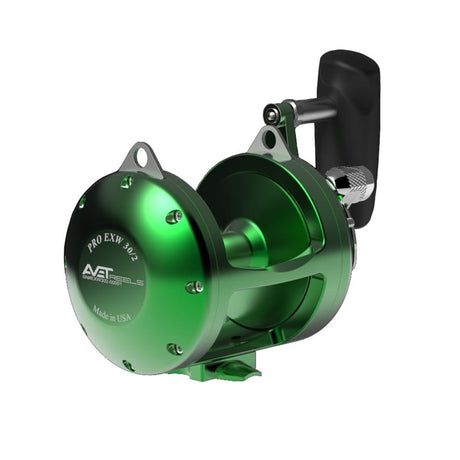
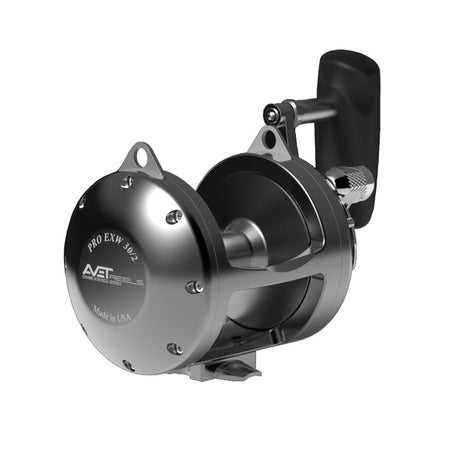
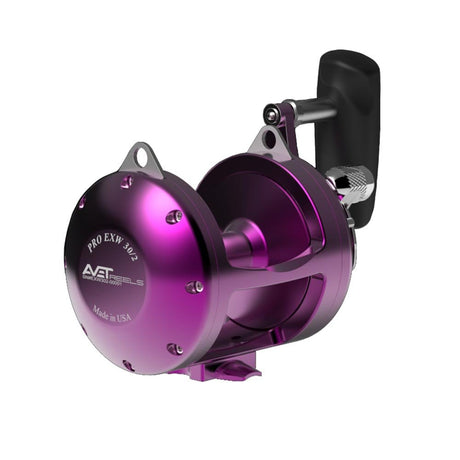
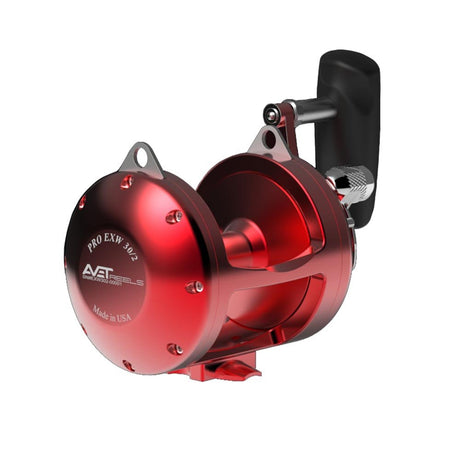
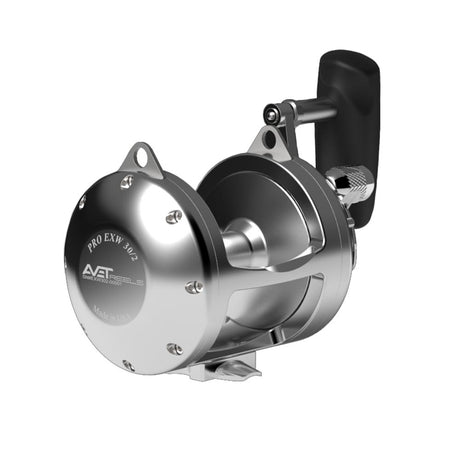
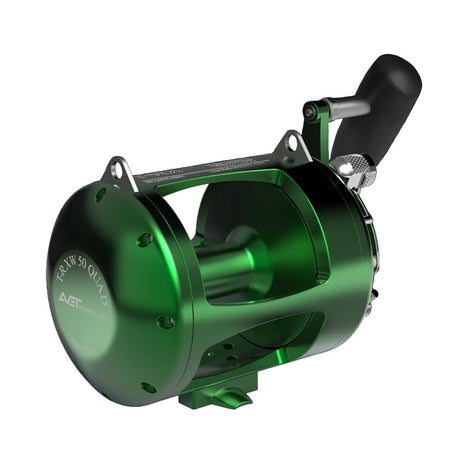
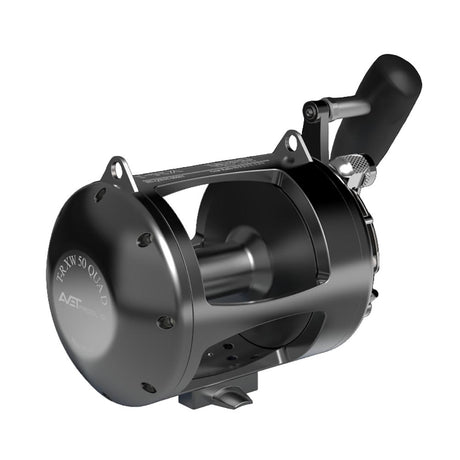
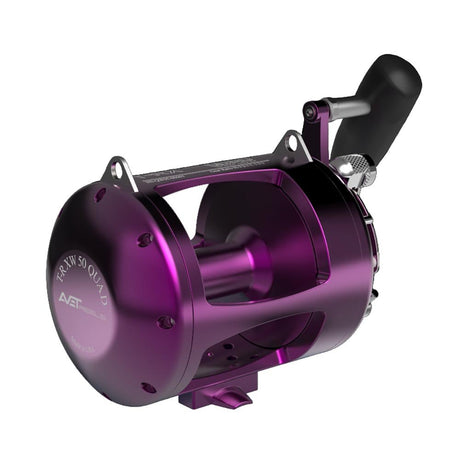
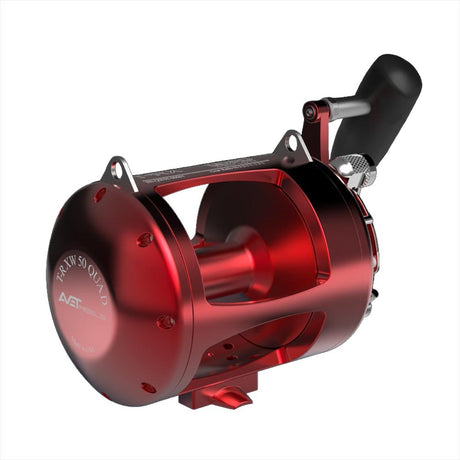
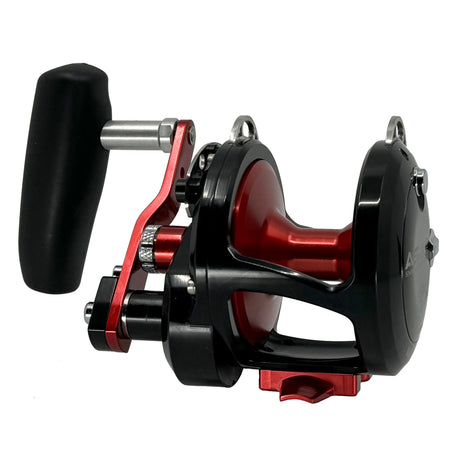
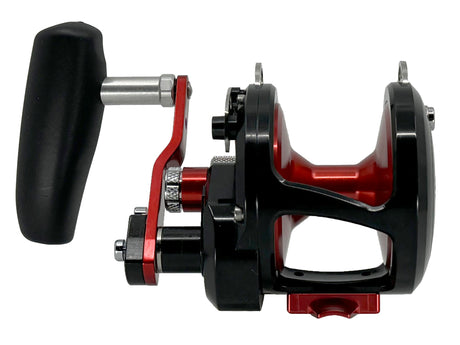
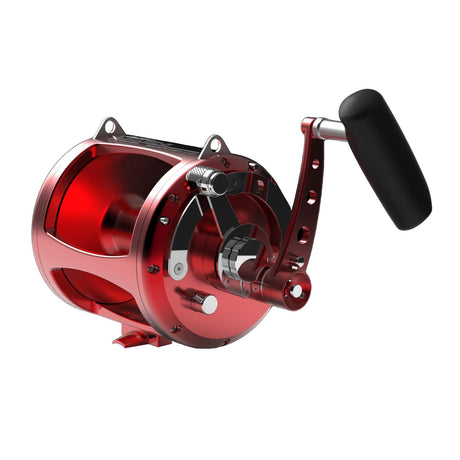
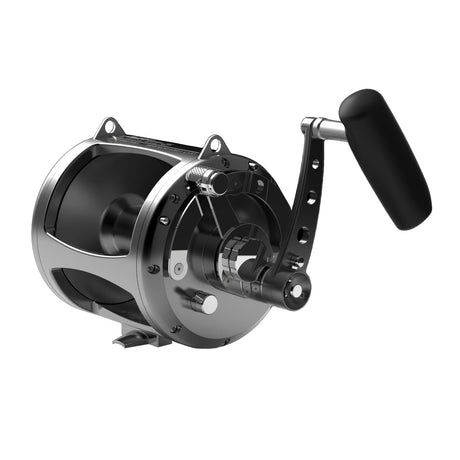
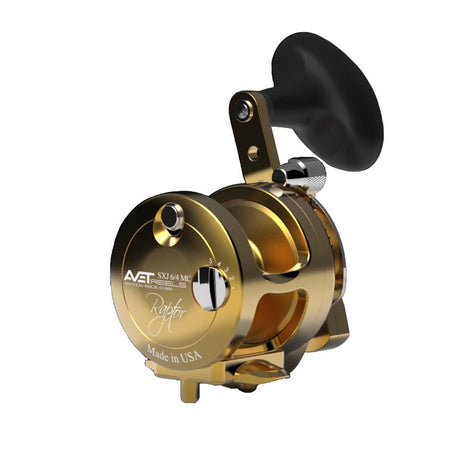
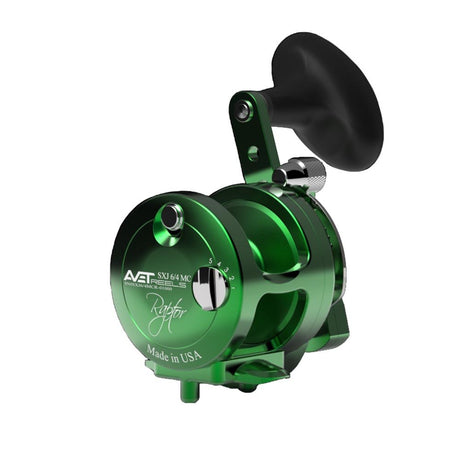
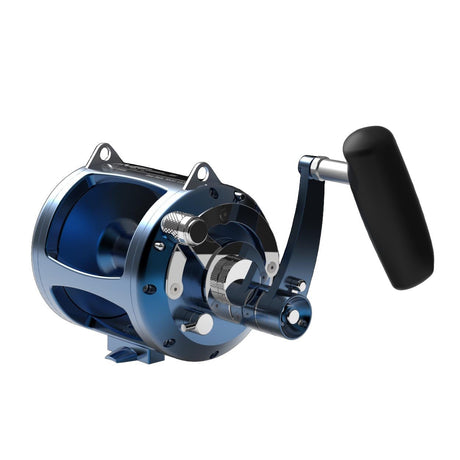
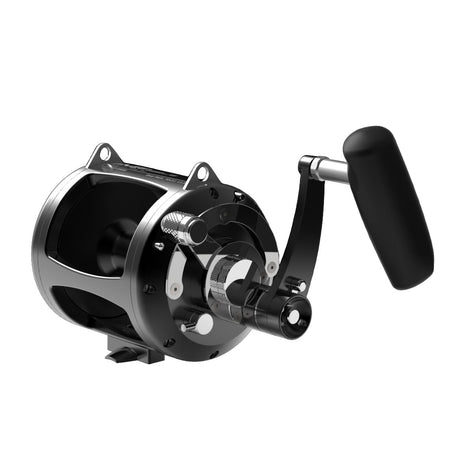
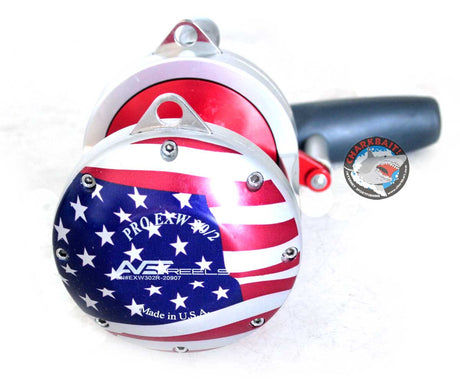
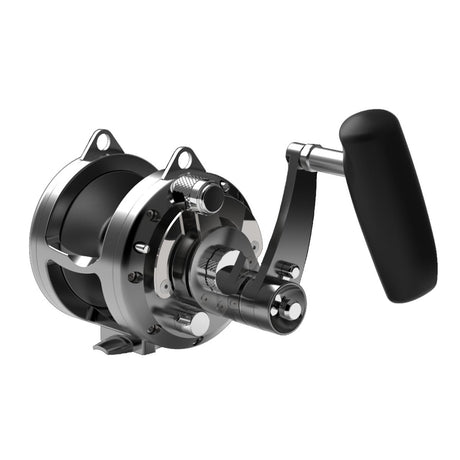
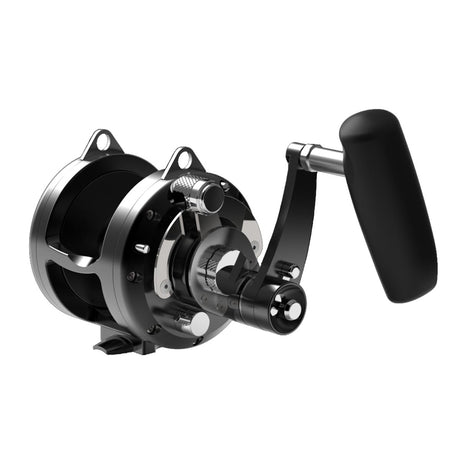
Raptor models are the high-drag versions — a dual-drag design with considerably more stopping power than the standard reels — available across the casting sizes and up through the HX family, including three-speed HX Raptors. The HX, HXJ, and HXW bridge the casting sizes and the big-game reels. For trolling and heavy long-range work, the Pro EX and EXW 30- through 80-class reels come in two- and three-speed versions, with the T-RX dual-drag models built for the heaviest applications.

Left-hand retrieve

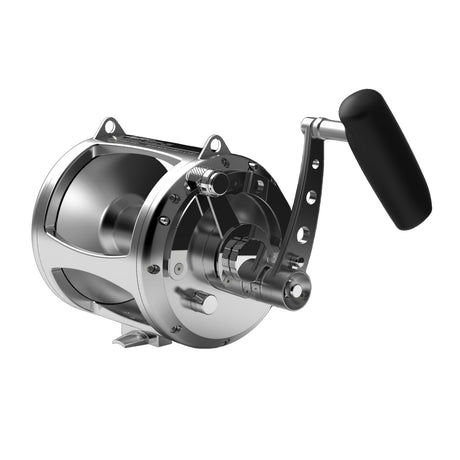
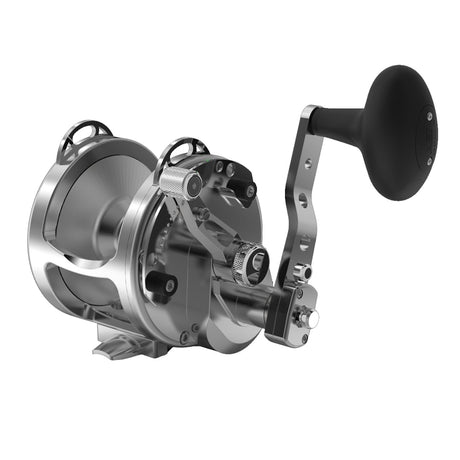
Avet builds true left-hand-retrieve versions of more models than almost any manufacturer, and we stock more lefty Avets than any dealer. Note that lefties are produced in silver only — if you don't see the model you want in left hand, call us and we'll get you sorted.

Spooled and rigged the long-range way

We've been rigging braid since spectra first hit the West Coast, and every reel we sell can be spooled to your specs before it ships: braid backing with a mono topshot for casting work, reverse-spooled for bottom fishing, or a leader run into hollow core for a knotless connection. We don't do quick uni-to-uni connections on gear headed for big fish — Bimini to Albright, served, or Sato connections, done properly. You can see how we do it on our YouTube channel, CharkBaitUSA.

Not sure which Avet fits your fishing? Call the shop — you'll get an answer from someone who fishes these reels.

Frequently asked questions

Which Avet reel should I get?

Pick the size by the line class and the fish, not by how the reel looks: SXJ and SX for light line and small reels, MXJ and MXL for the do-everything SoCal sizes up to about 40 lb, JX and LX for heavier or specialist work, HX-family reels to put a big fish on a small reel, and Pro EX and T-RX for trolling and big game. Then decide single or two-speed, and whether you want the Raptor drag. Our full Avet reel guide walks through it step by step, or just call the shop and tell us your target and line class.
Do I need a single-speed or a two-speed Avet?

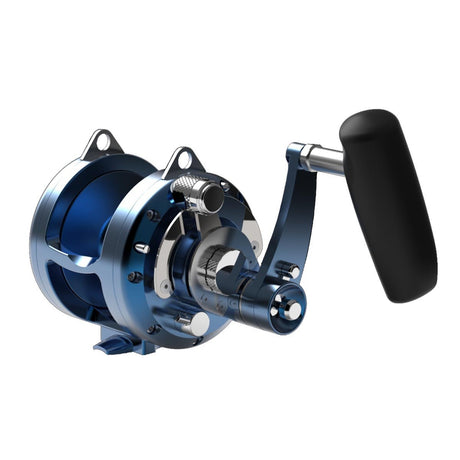
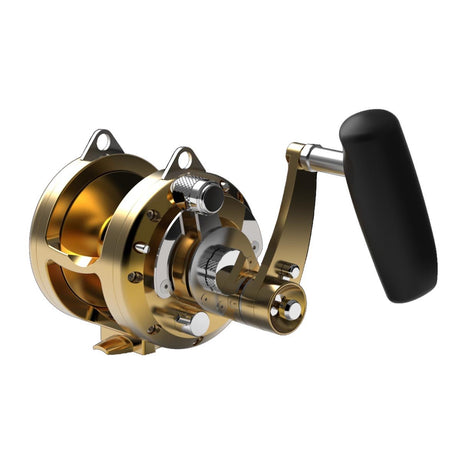
Our rule of thumb: at 40 lb line and above, a two-speed is worth it; below 40 lb it is a convenience, not a necessity. Single-speed buyers usually know the one job the reel is for, or are keeping the cost down (two-speeds run about $60 to $100 more). The exceptions are the JX and LX, which are often better as single speeds, because on a yoyo-iron setup the extra second it takes to shift can cost you the fish. The one buyer who should still get the two-speed is anyone heading out on a long-range trip, where the versatility earns its keep.

What is an Avet Raptor, and do I need one?

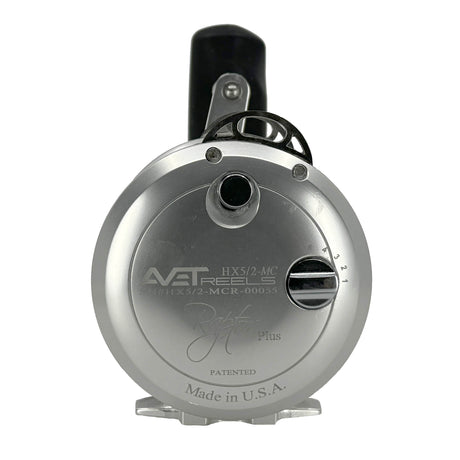
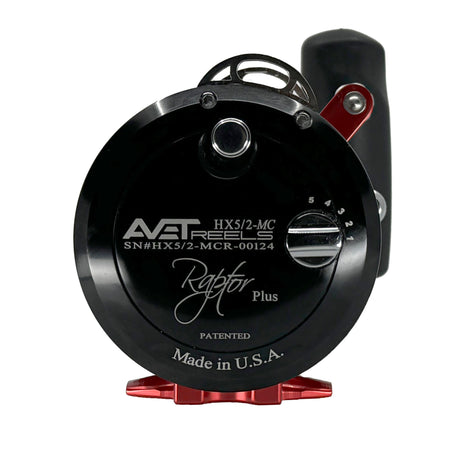
Raptor models are the high-drag versions, a dual-drag design with a lot more stopping power than the standard reels, for heavier line and bigger fish. Raptor Plus goes a step further and comes fully loaded: two-speed, MC cast control, and the glide plate, all standard, which on the smaller sizes is the easiest way to get the whole package in one reel. If you are fishing lighter line, a standard reel has plenty of drag for the job at a lower price; the heavier you go, the more the Raptor's drag matters.

Should I get the MC (magnetic cast control) version?

If you are newer to conventional reels, get the MC version; it takes the sting out of backlashes without costing you any distance. If you fish mostly braid to a shorter leader, get the MC version, no question. The non-MC reels are for the experienced thumb and are not a downgrade (they come silver, right-hand only). The common worry that a magnet costs you casting distance is not true; it just saves you time and frustration.
Does Avet make left-hand reels, and why are they only silver?

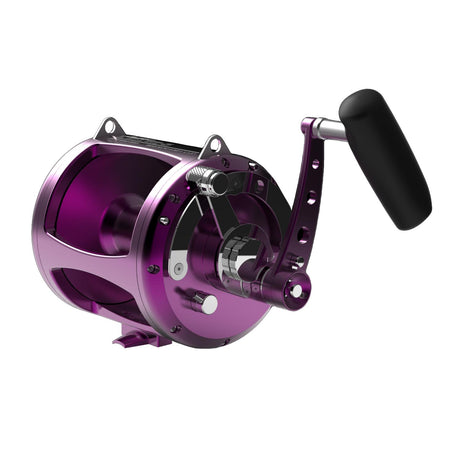
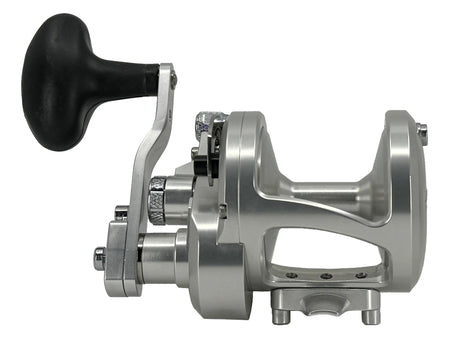
Yes, more than almost anyone. One of Avet's owners is a lefty, so they build a left-hand version in almost every size and model. Left-hand reels come in silver only, and that is a manufacturing story, not a slight: the only part that differs on a lefty is the gearbox, colored parts vary batch to batch, and colored lefties kept ending up mismatched, so silver keeps them consistent. If you do not see the left-hand model you want listed, call us. We get lefties in all the time.

Can I still order an Avet reel that's out of stock?
Almost always, yes. Avet builds most reels to order: nobody keeps one of every SKU on a shelf, so they hold a deep stock of parts and assemble reels as they are ordered. We order from Avet three to four times a week, so a reel that is not on our shelf usually arrives in about three to four business days (a little longer for the largest or most specialized models). That is the upside of buying from us: the odd size, color, or left-hand retrieve that another shop just lists as unavailable, we can get for you in days.
Is an Avet three-speed worth it?

It depends on the size, and that is the key thing to know. On the small reels (HXJ, HX, HXW) the third gear is a granny low gear that lets a small reel fight a big fish, the cranking power you would otherwise need a 50-class reel for. On the big reels (Pro EX and T-RX) it adds a faster high gear for kite fishing, resetting shark baits, and clearing slack after a high-speed troll. A three-speed asks a bit more of the angler, since you learn when to shift, but for certain styles of fishing it is the best tool made. Our Avet reel guide breaks down which sizes benefit and how.
What is the difference between lever drag and star drag reels?

On a star drag you set the drag pressure with the star next to the handle, allowing you to make on the fly adjustments for increasing or decreasing drag entirely by feel. A lever drag lets you preset your strike and full settings ahead of time (we set them with a scale), then a lever slides between free-spool, strike, and full, so you get the same repeatable pressure every time you push to the same spot. That repeatability is why lever drags are the West Coast standard for offshore fishing, where a big tuna is pulling hard and you want to know exactly what your drag is doing. Star drags are simpler, lighter, and less expensive, and they shine for bait fishing and lighter tackle where you adjust on the fly. Most Avets are lever drags; Avet also makes star-drag versions in the MXJ and MXL sizes.